The leader in personal flight.

A two-seat electric VTOL with four shrouded ducted fans and the body of a car you'd actually want to own. The 1:5 scale flight prototype is built. Full scale is next.

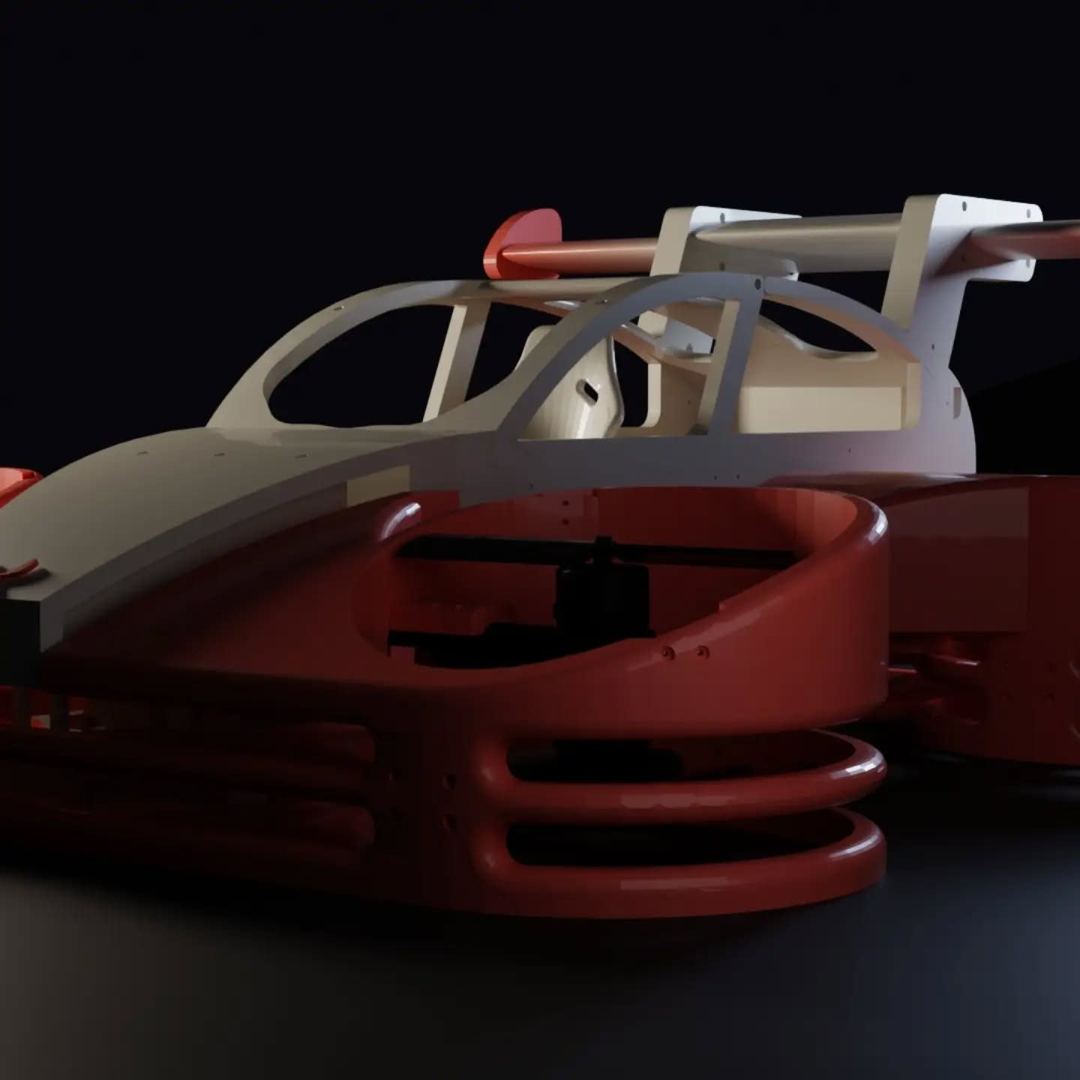
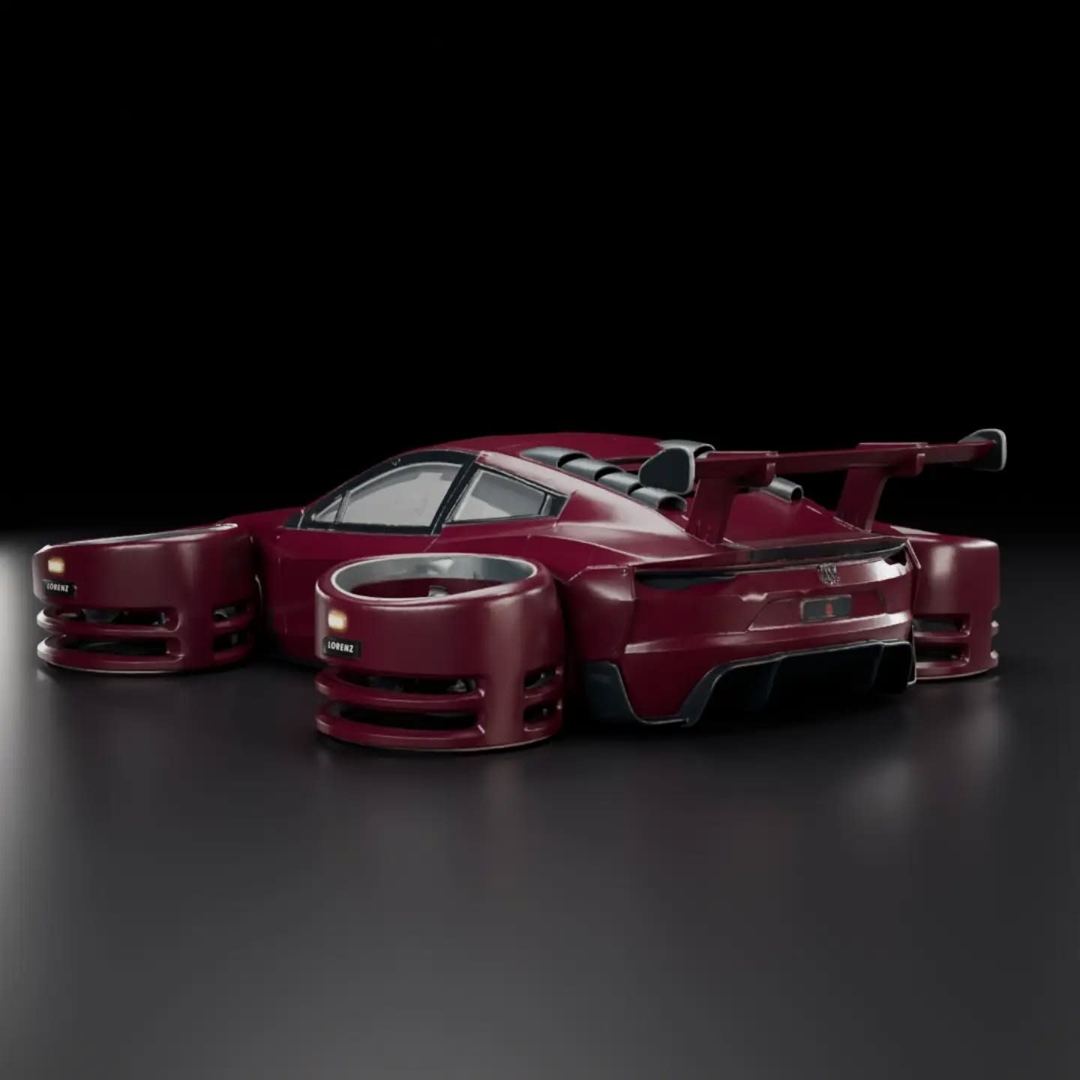
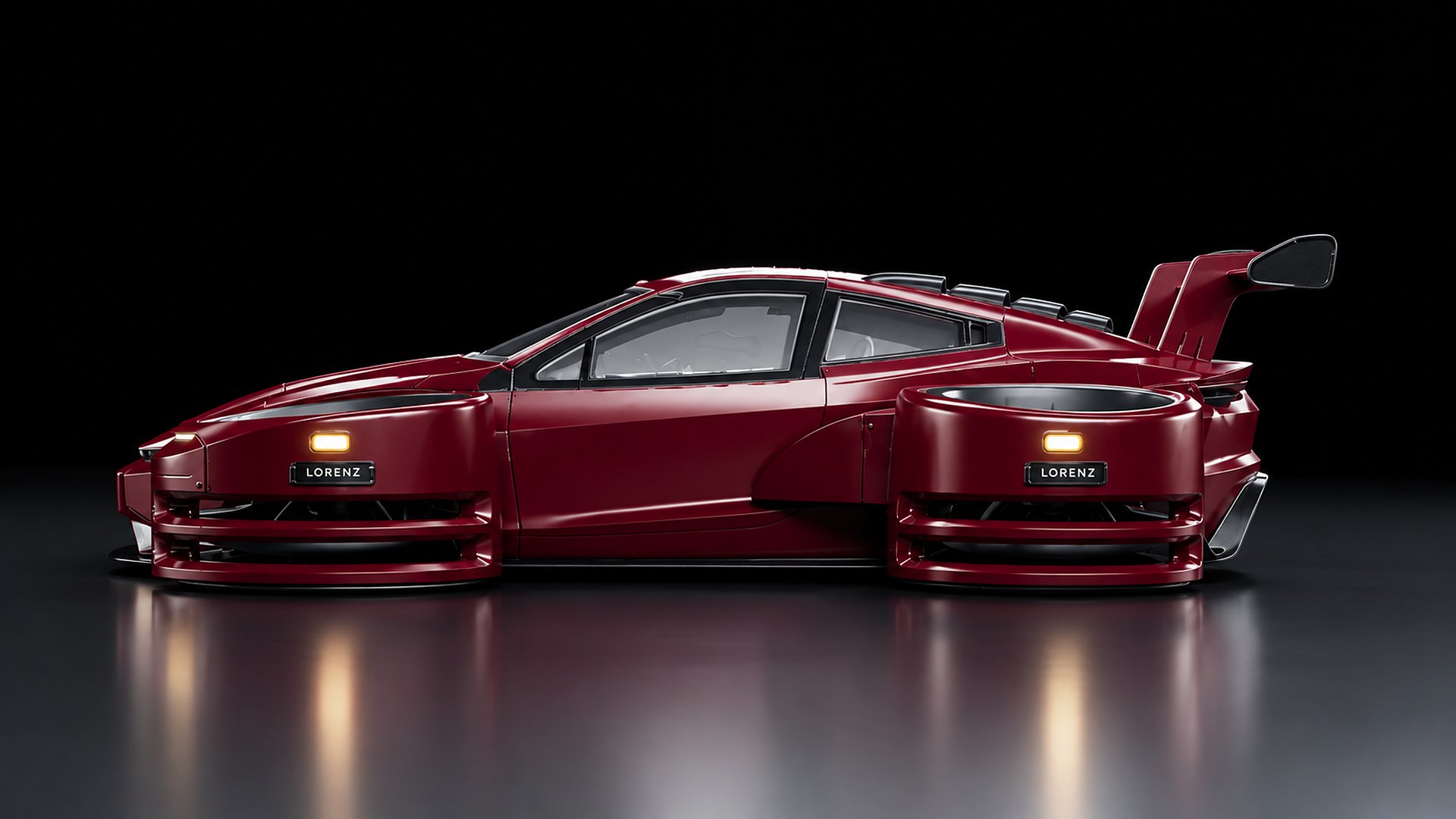
The Lorenz Aeroboticarbon, an oxblood two-seat flying car with four ducted fans, in a dark studio
Design Patent US D1078585 S
Patent Pending 64/041,519
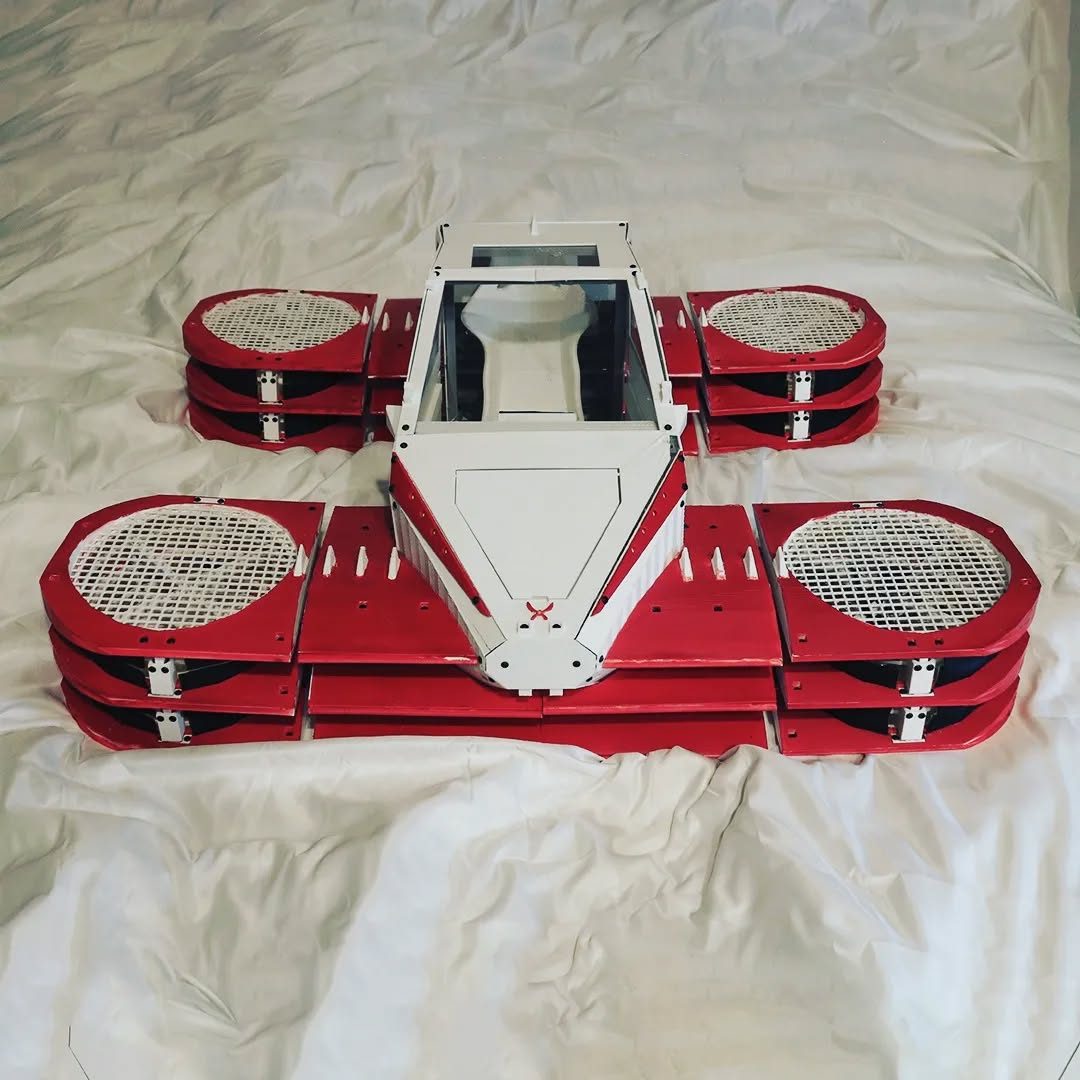
Prototype 1:5 Scale, Built
Since 2018
Concept render

The Prototype

Not a render. Hardware.

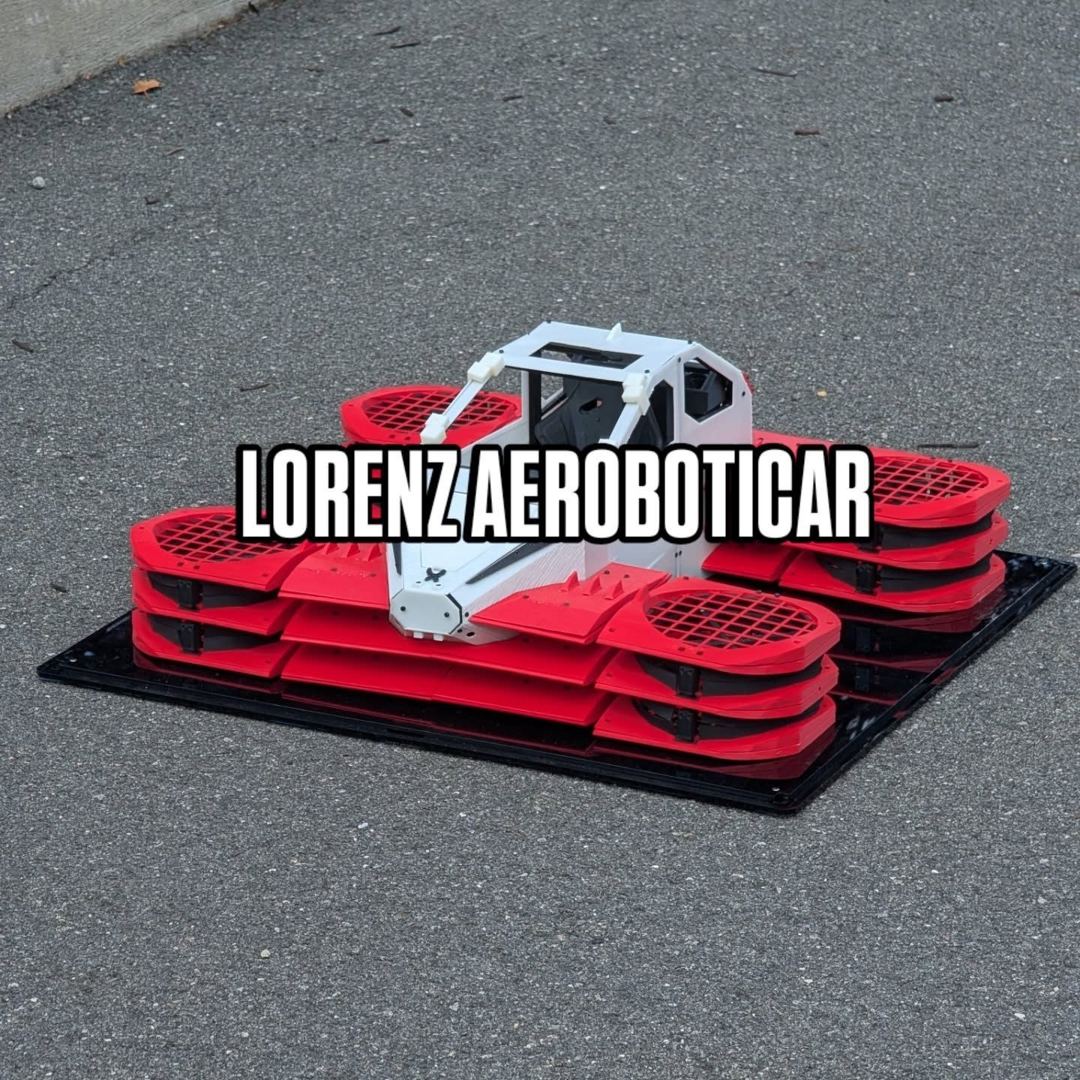
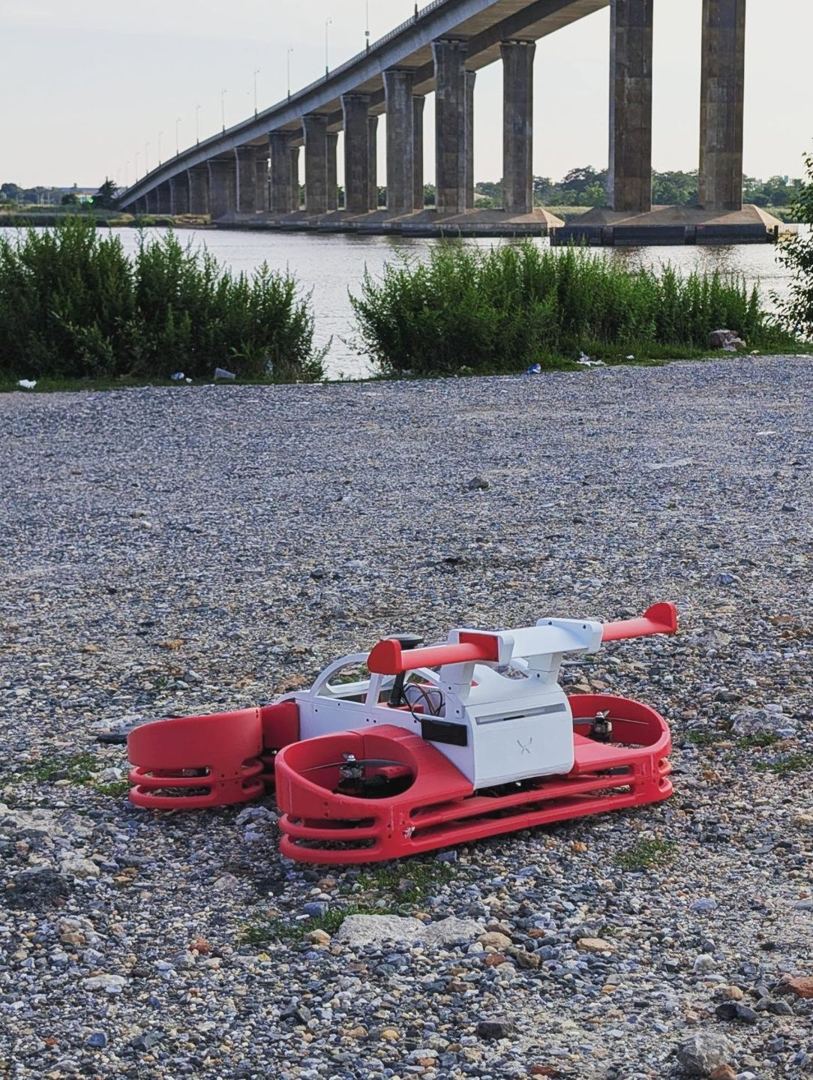
The 1:5 scale Aeroboticarbon is a 16 lb coaxial octocopter with the full production layout: four ducted fan pods at the corners, a carbon fiber frame, a printed body and the swan-neck rear wing. It runs a Cube Orange flight controller with a Jetson Orin Nano for autonomy, and it is entering tethered flight testing.

It is also the reference aircraft for LAPP, the airspace protocol below. Lorenz is building the vehicle and the sky it flies in.

Seats 2
Propulsion 4 Ducted Fans, Electric
Prototype 1:5 Scale, 16 lb
Airspace LAPP Native
Explore the Aeroboticarbon →

The 1:15 scale flight model, first outdoor flight, New Jersey


The Network

Everyone is building the aircraft. Lorenz is also building the sky.

Dozens of companies are racing to certify eVTOL aircraft for urban air mobility. But every one of them assumes someone else will solve the airspace coordination problem: the question of how hundreds of vehicles share the same low-altitude sky safely, efficiently, and at scale.

Today, that altitude band (500–2,000 feet above ground) is essentially unstructured. No protocol defines how aircraft select altitudes, resolve route conflicts, or allocate scarce airspace during congestion. The FAA's UTM framework provides architecture but not the protocol. EASA's U-space defines service levels but not allocation logic.

Lorenz is filling that gap with LAPP, and flying it first on its own aircraft.


LAPP: Lorenz Airspace Protocol

LAPP is an open coordination protocol, analogous to TCP/IP for internet traffic, that defines how eVTOL vehicles share low-altitude airspace. Any aircraft implementing the LAPP stack can operate in LAPP-managed airspace, regardless of manufacturer.

01

Altitude by Heading

Eight altitude layers, each assigned to a compass octant. Aircraft select cruise altitude from their direction of travel. Head-on conflicts eliminated by convention, not computation.

02

Market-Priced Slots

Turn-point contention resolved by sealed-bid second-price (Vickrey) auctions. Scarce airspace goes to the aircraft that values it most. Revenue funds the infrastructure.

03

Emergency Reserves

Emergency and public-safety aircraft receive absolute priority at zero cost. Commercial auction revenues fund this capacity. The market is real, but safety isn't for sale.

04

Open Standard

LAPP is proposed as an open protocol. Lorenz operates the reference implementation and ledger infrastructure. Lorenz is the exchange, not the traders.

05

Empirical Foundations

Protocol parameters derived from agent-based simulation. Optimal lane tolerance identified at 5–7°. Auction vs. FCFS tradeoffs quantified. Results published in the whitepaper.

06

Revenue Model

40% protocol operator. 30% infrastructure fund. 20% regulatory compliance. 10% access subsidy. Airspace coordination that funds itself.


Try the Reference Simulator

Interactive · runs in your browser
The Origin

Why Lorenz

I was driving for Uber in my red 2018 Honda Civic Type R, finishing my last two semesters at NJIT, when it hit me: I wanted to do my senior capstone on flying cars.

Not because it sounded like a cool sci-fi fantasy, but because the next step in the evolution of transportation is in the sky.

I knew the market would doubt a solo founder with no blockbuster exit behind him, no war chest to self-fund something this ambitious. So I decided to build it one small, deliberate move at a time.

I named the company after Edward Lorenz, the MIT meteorologist who discovered the butterfly effect: the idea that a tiny change in initial conditions cascades into something enormous. That's the whole bet. Every small move toward bringing flying cars to reality compounds, and eventually it comes true.
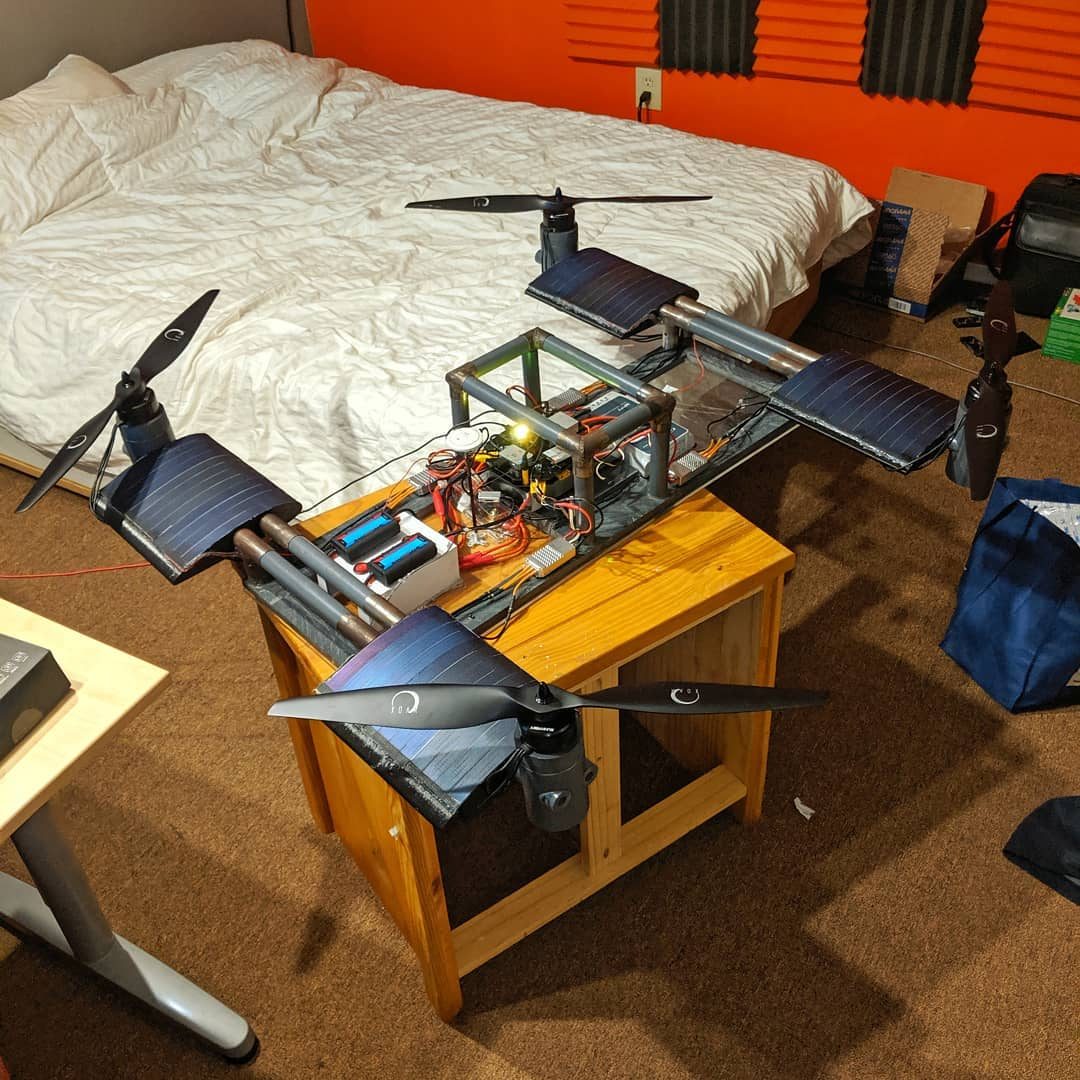
From a solar drone in 2019
to the Aeroboticarbon.

Every frame, print, failure and fix, posted as it happened. The whole story, told in eight chapters.

189Posts
8Chapters
2019–2026Span
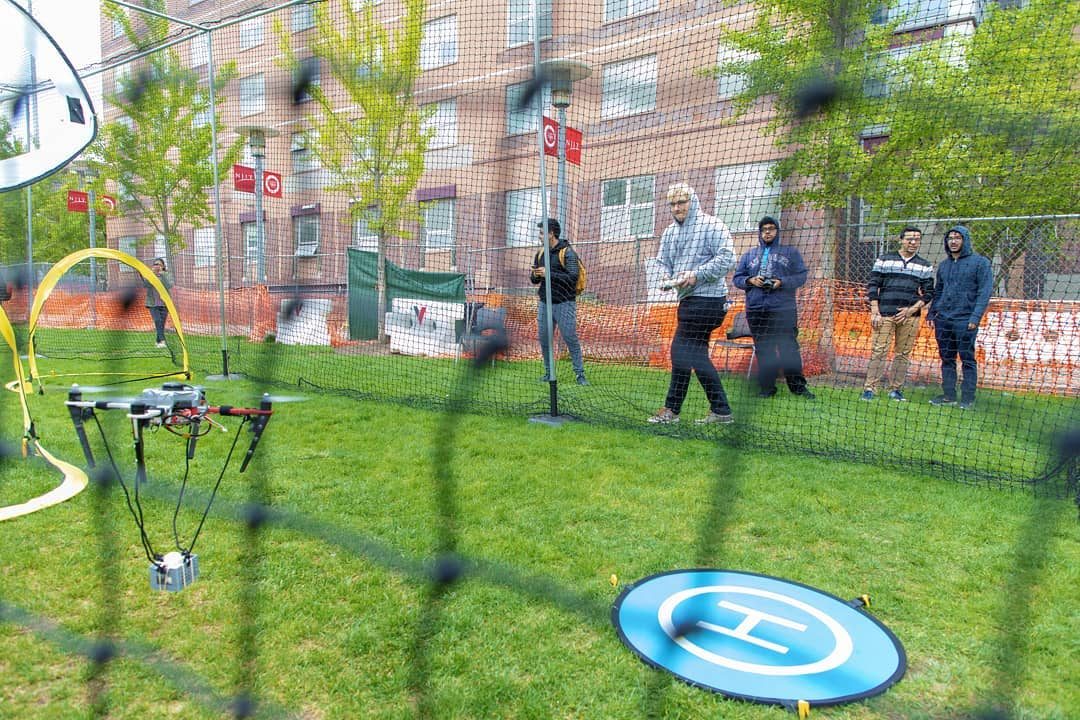
  1. The 2019 NJIT Highlander Drone Competition, which Lorenz won
    CHAPTER 01

    First Flight

    2019
  2. The 38 lb solar midscale prototype on a workbench
    CHAPTER 02

    The Midscale

    2019 to 2020
  3. The 3D printed dronecar model, finished on Pi Day 2022
    CHAPTER 03

    The Dronecar

    2020 to 2022
  4. The Lorenz Aeroboticar model photographed outdoors
    CHAPTER 04

    Patents and a Proof of Concept

    2023 to 2025
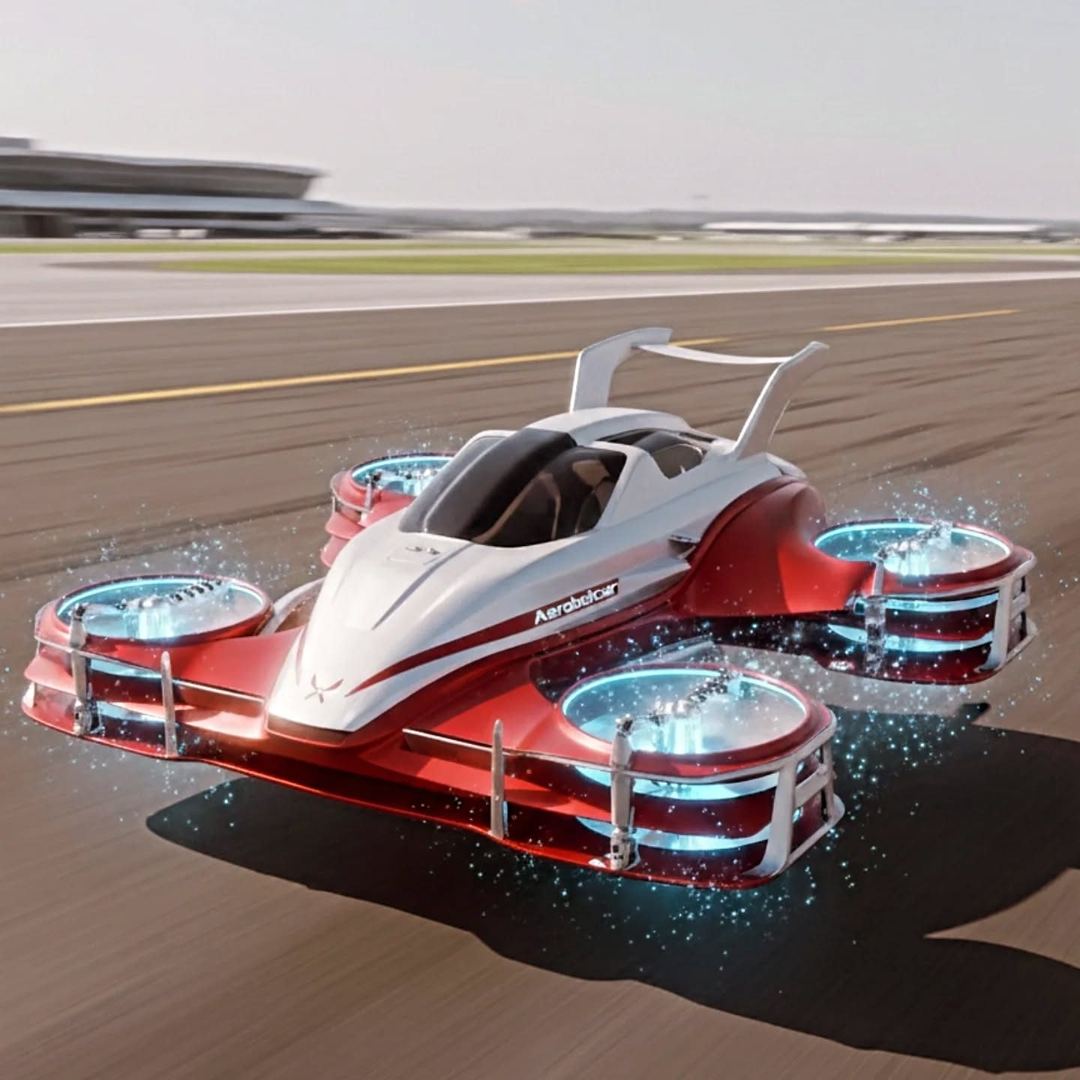
  5. An Aeroboticar concept render on a runway
    CHAPTER 05

    The Vision

    2025 to 2026
  6. The 3D printed body of the 1:5 scale Aeroboticar
    CHAPTER 06

    Building the 1:5

    2026
  7. The finished 1:5 scale prototype under a highway bridge
    CHAPTER 07

    Getting Ready to Fly

    2026
  8. A studio render of the 2027 Aeroboticarbon
    CHAPTER 08

    The 2027 Aeroboticarbon

    2026
Straight from @lorenzaero on Instagram Read the full Build Log →

Track Record
2 U.S. Patents
(issued + pending)
8 Years in
development
1:5 Scale prototype
completed
v0.5 Simulator
iterations

Collaborate

Investors, engineers,
and early believers

Lorenz is raising a pre-seed round to take the Aeroboticarbon from 1:5 scale to full scale, and is looking for aerospace engineers, airspace researchers, regulators and operators who want to help build the vehicle and the network.